Buying advice and financing
Buying a car is one of the largest purchases most people make, second only to a home. Between choosing the right model, deciding how to pay for it and navigating dealership negotiations, the process can feel overwhelming. This pillar page brings together everything you need to know about buying a car and financing it, from setting a realistic budget to understanding the difference between a loan and a lease. Whether you are a first-time buyer or simply due for an upgrade, the following sections will help you make a confident, well-informed decision.
Why Buying a Car Requires a Structured Approach
A car is not just a purchase; it is a long-term commitment that affects your monthly finances, your insurance costs and even your daily routine. Many buyers focus on the sticker price while overlooking the total cost of ownership, which includes fuel, maintenance, insurance, registration and depreciation. A structured approach helps you avoid the most common mistake in car buying: spending more than your budget can comfortably support.
Think of it this way: the purchase price is only the entrance ticket. The real question is whether the ongoing costs fit your lifestyle and income over the years you will keep the vehicle.
Step 1: Define Your Real Budget
Before visiting a dealership or browsing online listings, take the time to establish a clear financial picture. A widely used rule of thumb is that your total car expenses should not exceed 15 to 20 percent of your monthly take-home pay. This includes the payment itself, but also insurance and fuel.
Consider this example: if you bring home 3,500permonth,keepingyourtotalcarcostsunderroughly3,500 per month, keeping your total car costs under roughly3,500permonth,keepingyourtotalcarcostsunderroughly600 leaves room for savings and unexpected expenses. A buyer who stretches to a $700 payment may find that a single repair bill or insurance renewal creates real financial stress.
What to Include in Your Budget
- Purchase price or monthly payment (loan or lease)
- Sales tax, registration and title fees
- Insurance premiums, which vary significantly by vehicle type and driver profile
- Fuel or charging costs, depending on the powertrain
- Regular maintenance: oil changes, tires, brakes and scheduled servicing
- Depreciation, which is often the largest hidden cost of all
A practical method is to write down these figures in a simple spreadsheet before you start shopping. Seeing the full picture on paper often changes which vehicles make sense.
Step 2: New, Used or Certified Pre-Owned?
One of the most important decisions in car buying is choosing the type of vehicle you will purchase. Each option has distinct advantages and trade-offs.
New Cars
A new vehicle comes with a full manufacturer warranty, the latest safety technology and no unknown history. The trade-off is cost: new cars depreciate fastest during their first years, meaning a significant portion of their value disappears early.
Used Cars
A used car lets the first owner absorb the steepest part of the depreciation curve. With a proper inspection and a vehicle history report, buying used often delivers the best value per dollar. The risks, such as hidden mechanical issues, can be reduced with a pre-purchase inspection by an independent mechanic.
Certified Pre-Owned (CPO)
CPO vehicles occupy a middle ground. They are late-model used cars inspected and reconditioned by the manufacturer, usually sold with an extended warranty. They cost more than comparable used cars but less than new ones, and they reduce much of the uncertainty of private used purchases.
- New – maximum peace of mind, highest cost and fastest depreciation
- Used – best value, requires more diligence and inspection
- CPO – balanced option combining inspection, warranty and moderate pricing
Step 3: Understand Your Financing Options
Once you know what you can afford and what type of car fits your needs, the next step is deciding how to pay for it. There are three main paths, each suited to different situations.
Paying Cash
Paying the full price upfront is the simplest option: no interest, no monthly payments and full ownership from day one. However, it is not always the best financial move. If paying cash would drain your emergency savings, financing may be wiser, even at a moderate interest rate. Money kept in reserve protects you against life’s surprises.
Auto Loans
An auto loan spreads the cost of the vehicle over time, typically between 36 and 72 months. You own the car once the loan is paid off, and you can sell or trade it at any time since the lender holds only a lien on the title. Interest rates depend heavily on your credit score, the loan term and whether the car is new or used.
A useful comparison: a shorter loan term means higher monthly payments but significantly less interest paid overall. Extending a loan from 48 to 72 months can lower the payment noticeably while nearly doubling the total interest cost on some vehicles.
Leasing
Leasing is essentially a long-term rental. You pay for the vehicle’s depreciation during the lease period rather than its full price. Monthly payments are usually lower than loan payments for the same car, and at the end of the lease you simply return the vehicle or, in most cases, buy it at a predetermined residual value.
Leasing suits drivers who enjoy driving a newer car, keep their mileage moderate and like predictable costs. It is less attractive for high-mileage drivers or those who prefer to keep a vehicle for many years after paying it off.
- Cash – no interest, full ownership, requires substantial savings
- Loan – build equity, no mileage limits, higher monthly payments
- Lease – lower payments, always under warranty, mileage caps and no equity
How to Secure a Better Financing Deal
The interest rate you receive matters as much as the price you negotiate. Two buyers purchasing the same car can pay thousands of dollars differently over the life of a loan purely because of their rate and preparation.
- Check your credit score before shopping. Knowing where you stand helps you evaluate the offers you receive and dispute any errors on your report in advance.
- Get pre-approved by your bank or credit union. This gives you a benchmark rate and turns you into a cash-equivalent buyer at the dealership.
- Compare at least three offers, including the dealer’s financing arm. Sometimes manufacturers offer promotional rates on specific models that beat traditional lenders.
- Keep the loan term short whenever your budget allows. Aim for the shortest term you can comfortably afford.
- Negotiate the price first, then the financing. Discussing both at once makes it harder to know whether you are getting a good deal on either.
A word of caution about add-ons: dealers frequently offer extended warranties, paint protection and gap insurance at the financing desk. Some, like gap coverage for buyers with small down payments, can be genuinely useful. Others are overpriced or redundant with existing coverage. Evaluate each one separately rather than accepting a package.
The Test Drive and Vehicle Inspection
No matter how appealing a car looks on paper, the test drive remains the decisive step. It reveals what specifications never can: seat comfort, visibility, road noise and how the vehicle feels in your typical driving environment.
What to Evaluate During a Test Drive
- Comfort of the seats over more than just a few minutes
- Visibility in all directions, including blind spots
- Acceleration and braking behavior in realistic conditions
- Ride quality on the types of roads you drive daily
- Infotainment and controls: are they intuitive, or frustrating?
- Cargo space with your actual needs in mind, such as strollers or sports gear
For used cars, add a mechanical dimension. Listen for unusual noises, check for uneven tire wear and, ideally, arrange an independent inspection. Spending a modest amount on a professional inspection can save you from a costly mistake.
Negotiating with Confidence
Negotiation intimidates many buyers, but it becomes manageable when you treat it as a research exercise rather than a confrontation. The key is knowing the market value of the vehicle before you walk in, using online pricing tools and listings for comparable cars in your area.
- Research the fair market price, including any current incentives or rebates.
- Request quotes from multiple dealers, ideally by email, to create competition.
- Negotiate the out-the-door price, which includes taxes and fees, not just the sticker figure.
- Keep your trade-in discussion separate from the new car price.
- Be willing to walk away; it is your strongest negotiating position.
An analogy that helps many buyers: think of the dealership as a marketplace rather than a courtroom. Both sides are looking for an agreement; your job is simply to make sure the agreement reflects the research you have done.
Insurance and Ownership Costs
Insurance is a legal requirement in most English-speaking countries and a major component of your total cost. Premiums vary widely based on the vehicle model, your age, driving history and location, so it is worth getting quotes on any car you are considering before signing the purchase contract. A sports sedan and a compact crossover with similar prices can carry very different insurance costs.
Beyond insurance, plan for recurring ownership expenses. Setting aside a small monthly amount for maintenance and repairs, even on a new vehicle, smooths out the cost of tires, brakes and eventual out-of-warranty repairs.
Common Mistakes to Avoid
- Shopping for a monthly payment instead of the total price
- Skipping the test drive or buying the first car you see
- Rolling negative equity from an old loan into a new one
- Accepting the first financing offer without comparison
- Underestimating insurance, fuel and maintenance in the budget
- Buying more car than you need for the image rather than the utility
Key Takeaways for a Successful Purchase
Buying and financing a car becomes far less stressful when you follow a logical sequence: define your budget, choose the right type of vehicle, compare financing offers before negotiating, and always evaluate the total cost of ownership rather than the monthly payment alone. Take your time, ask questions and remember that walking away is always an option. A car should serve your life, not strain it, and a well-planned purchase is the surest way to drive away with both the right vehicle and the right financial terms.

Car leasing vs. car purchase: which option is better?
Deciding between leasing or buying a car is a significant financial decision that can impact your budget and lifestyle for years to come. Each option comes with its own set of advantages and considerations, making it crucial to understand the…
Lire la suite
How to negotiate the price of a new or used car?
Negotiating the price of a car can be an intimidating process, but it’s a crucial skill that can save you thousands of dollars on your next vehicle purchase. Whether you’re in the market for a new or used car, understanding…
Lire la suite
The cheapest cars to insure for young drivers
Securing affordable car insurance as a young driver can be a challenging task. With limited driving experience and higher risk profiles, novice motorists often face steep premiums that can make vehicle ownership seem out of reach. However, by choosing the…
Lire la suite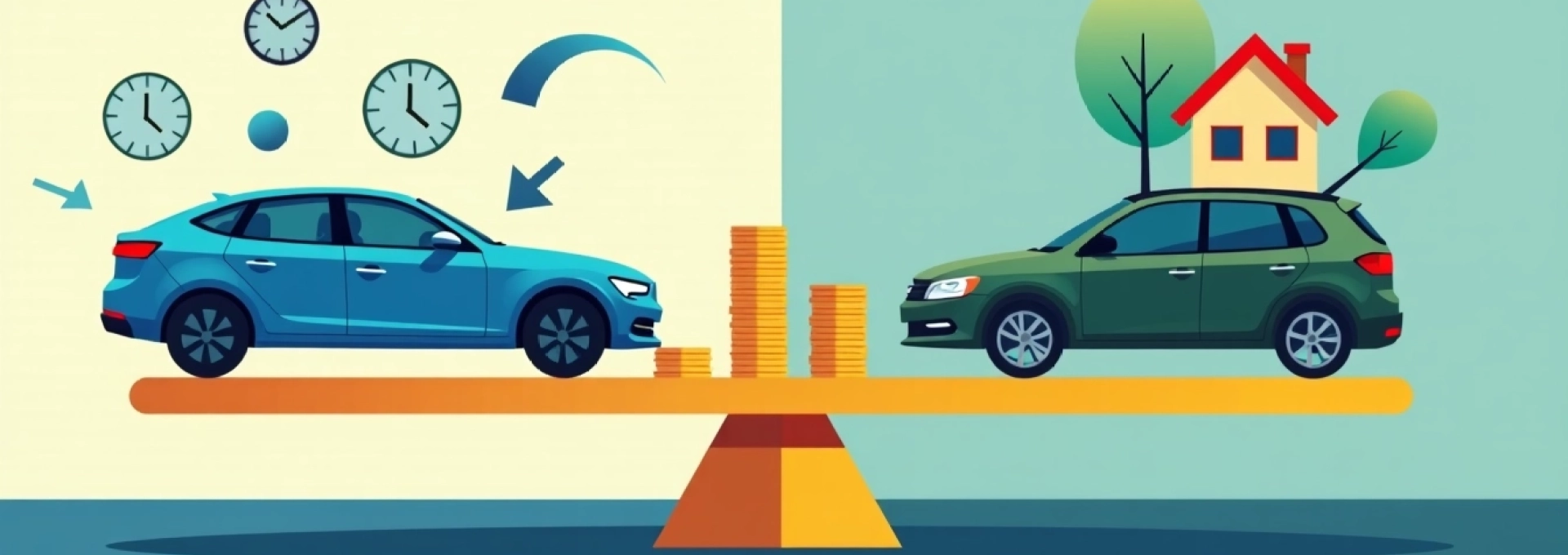
Leasing or buying a car: what’s the best option today?
In today’s dynamic automotive market, deciding whether to lease or buy a car can significantly impact your finances and lifestyle. With evolving technology, changing economic conditions, and shifting consumer preferences, the decision between leasing and buying has become more nuanced…
Lire la suite