Racing and motorsports
Racing and motorsports represent one of the most exciting corners of the automotive world. Whether you have watched Formula 1 on a Sunday morning, heard the roar of NHRA dragsters, or wondered how a stock car manages to survive 500 miles at Daytona, motorsports combine engineering, driver skill, and teamwork in a way few other sports can match. This category is your starting point for understanding how competitive driving works, what the major disciplines involve, and how everyday enthusiasts can get involved themselves.
The good news is that motorsports are far more accessible than most people assume. You do not need a multi-million dollar budget or years of professional training to experience the thrill of racing. Across the United States, the United Kingdom, Australia, and beyond, grassroots events welcome complete beginners with ordinary road cars, basic safety gear, and a willingness to learn.
What Are Racing and Motorsports?
Motorsports is the umbrella term for any competitive event involving motorized vehicles. Racing is the most familiar form, but the category also includes timed events, rallies, drifting competitions, and endurance challenges. What unites them all is measured performance: speed, lap time, distance, or precision, judged under a common set of rules.
Every organized motorsport event is overseen by a sanctioning body. In the United States, NASCAR governs stock car racing, INDYCAR runs open-wheel competition, and the Sports Car Club of America (SCCA) oversees amateur road racing and autocross. Internationally, the FIA (Fédération Internationale de l’Automobile) is the governing body behind Formula 1, the World Rally Championship, and the World Endurance Championship. These organizations exist primarily for safety, setting standards for vehicles, driver equipment, and track procedures.
An easy way to think about motorsports is to compare them to a ladder. At the top sit the professional series you see on television, with factory-backed teams and seasoned drivers. Below that are national and regional amateur series, and at the base, a wide range of entry-level events where almost anyone with a road-legal car can participate. Most professional racers started somewhere on that lower rung.
The Major Disciplines of Motorsports
Motorsports is not a single activity but a family of disciplines, each with its own vehicles, venues, and skills. Understanding the main categories helps you decide which one might suit your interests, budget, and temperament.
Circuit Racing
Circuit racing takes place on closed paved tracks, either purpose-built facilities like Silverstone or Circuit of the Americas, or temporary street circuits like the one used in Monaco. Drivers compete wheel-to-wheel over a set number of laps, and the first to cross the finish line wins. Formula 1, NASCAR, and sports car racing all fall under this umbrella.
Circuit racing rewards consistency and car control. A useful analogy is playing chess at 150 miles per hour: every braking point, apex, and throttle application is a decision that compounds over the course of a race. Successful drivers memorize tracks in detail and manage their tires, fuel, and brakes just as carefully as their line through each corner.
Rallying and Rallycross
Rallying moves the competition to public roads and varied surfaces, including gravel, snow, mud, and tarmac. Instead of racing side by side, rally crews start at intervals and race against the clock over stages, guided by a co-driver reading pace notes. This makes rallying as much a mental and communication challenge as a driving one. Rallycross condenses the concept into short, spectator-friendly heats on mixed-surface circuits.
Drag Racing
Drag racing is a straight-line sprint, typically over a quarter mile (1,320 feet) or an eighth of a mile. Two vehicles launch side by side, and the faster elapsed time wins. The NHRA (National Hot Rod Association) sanctions the sport in the United States, from top fuel machines exceeding 330 mph to weekend bracket racers in street cars. Drag racing is often the most affordable entry point because a single pass tells you exactly how your vehicle and technique performed.
Autocross and Time Trials
Autocross, known in the UK as auto solo, involves navigating a course marked by cones in a parking lot or airfield, one car at a time, against the clock. Speeds are relatively low, risks are minimal, and the cost of entry is often less than a nice dinner. Time trials and track days take the same time-attack concept to full racing circuits. These formats are widely considered the best first step into motorsports.
Endurance Racing
Endurance events test reliability, strategy, and stamina over long distances, from four-hour club races to the famous 24 Hours of Le Mans and the Daytona 24. Teams share driving duties, and pit stops for fuel, tires, and driver changes become a strategic battleground. Even amateur series offer endurance racing, making it a popular goal for club racers.
Off-Road and Oval Racing
Off-road motorsports include desert racing, short-course truck racing, and rally raids, where durability matters as much as speed. Oval racing, deeply rooted in American tradition, ranges from NASCAR’s top series to small-town dirt tracks where local racers battle in modest machines every weekend.
How a Race Weekend Works
If you have ever wondered what actually happens during a race event, most follow a similar structure regardless of discipline or level:
- Registration and technical inspection: Officials verify that the vehicle and driver equipment meet the rulebook, including safety harnesses, helmets, and fire extinguishers where required.
- Practice sessions: Drivers learn the track or course and teams fine-tune the car’s setup.
- Qualifying: A timed session that determines starting positions, so the fastest entrants start at the front.
- Races or heats: The main competition, sometimes split into multiple races or run as a single long event.
- Results and scrutiny: Officials confirm finishing positions and may inspect top cars for compliance.
Amateur events follow the same logic in simplified form. At a typical SCCA autocross, for example, you might register in the morning, walk the course, take several timed runs, and be home by dinner, all for a modest entry fee.
Getting Started in Motorsports Safely
The path from enthusiast to competitor is shorter than you might think. Here is a practical sequence that thousands of club racers have followed:
- Attend an event as a spectator or volunteer. Volunteering as a corner worker or course marshal teaches you how events run and connects you with the local community.
- Try an entry-level discipline. Autocross, drag racing test-and-tune nights, and karting require no special license and minimal preparation.
- Get proper instruction. Most clubs offer novice schools, and high-performance driving experiences at major circuits pair you with a qualified instructor in your own car.
- Invest in safety first. A certified helmet is the minimum; as you progress, you will add fire-resistant clothing, harnesses, and possibly a roll bar or cage depending on the discipline’s rules.
- Obtain a competition license if needed. Wheel-to-wheel road racing requires a license from a sanctioning body, earned through an approved driving school.
Consider the fictional example of a driver named Sam, who bought an used Mazda Miata and started autocrossing on weekends. After a season of learning car control at low speeds, Sam attended a two-day racing school, earned a regional competition license, and now races in a club endurance series with a team of friends. Total investment was spread over several years and remained comparable to many other hobbies.
Choosing the Right Discipline for You
Different disciplines suit different people, budgets, and vehicles:
- Lowest cost and commitment: autocross and karting, ideal for learning fundamentals.
- Best for thrill-seekers with street cars: drag racing and track days.
- Best for adventure and travel: rallying and off-road events.
- Best for team players: endurance racing, where strategy and pit work matter as much as driving.
Why Motorsports Matter to Everyday Drivers
Racing is often described as the proving ground for the automobiles we drive daily. Technologies now taken for granted, including disc brakes, seat belts, tire compounds, aerodynamic stability, and increasingly hybrid and electric powertrains, were developed or refined in competition before reaching showrooms. Electric racing series in particular have accelerated battery and charging innovation that benefits consumer vehicles.
Beyond technology, motorsports build a unique community. Local tracks, clubs, and marshall organizations bring together people of all backgrounds around a shared passion. Many lifelong friendships and careers, including mechanics, engineers, and team managers, begin with a single weekend spent helping at a grassroots event.
Frequently Asked Questions
Do I need a special car to start racing?
No. Autocross and drag racing welcome ordinary street cars, and many participants begin with the vehicle they already own. As you move toward wheel-to-wheel racing, class rules will define what modifications and safety equipment are required.
Is motorsports prohibitively expensive?
Professional racing is expensive, but entry-level motorsports are surprisingly affordable. Karting sessions, autocross entries, and track day fees often cost less than many other recreational activities, and used competition vehicles hold their value well.
How do I find events near me?
National sanctioning bodies such as the SCCA, NHRA, and Motorsport UK list regional events on their websites, and most local clubs welcome newcomers with dedicated beginner programs.
Racing and motorsports reward curiosity, patience, and preparation. Whether your goal is simply to understand what you are watching on television or to clip in a helmet and see what your car can really do, this category will walk you through each discipline, step by step, at your own pace.

The most extreme motor racing circuits in the world
Motor racing has always been a sport that pushes the boundaries of human skill and technological innovation. At the heart of this adrenaline-fueled world are some of the most challenging and extreme racing circuits ever designed. These tracks test the…
Lire la suite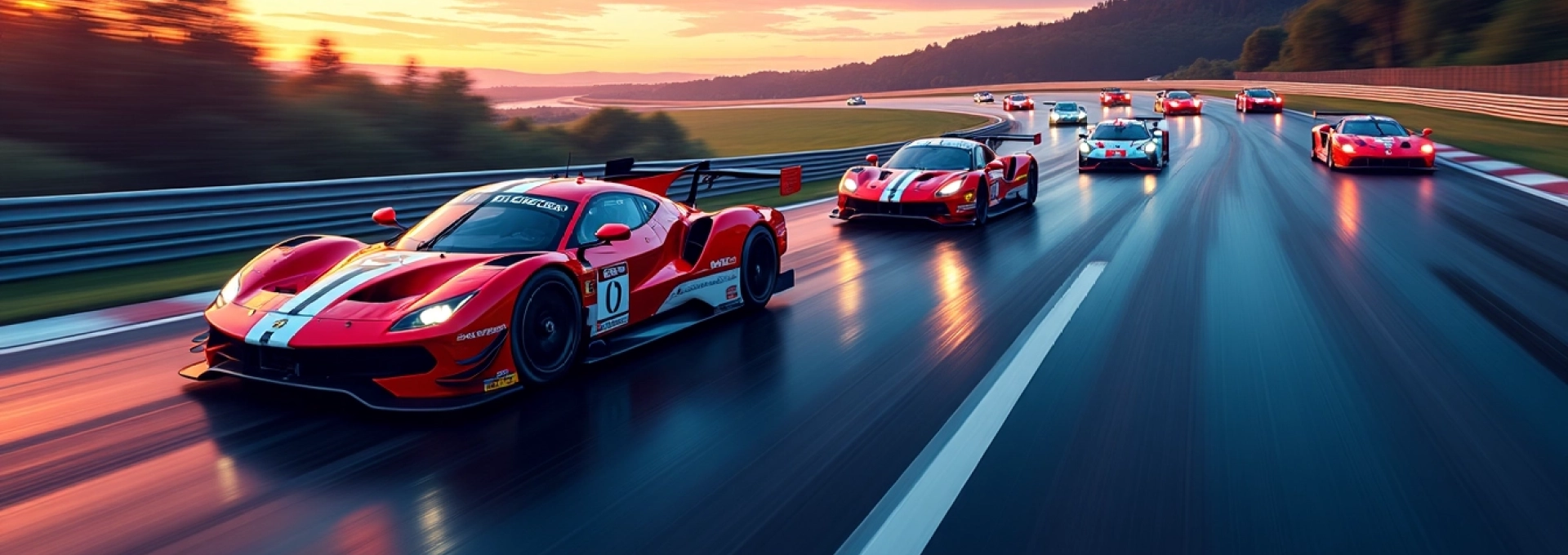
Hours of le mans: porsche, ferrari and toyota favourites ahead of ambitious outsiders
The 24 Hours of Le Mans stands as the pinnacle of endurance racing, challenging both man and machine in a grueling test of speed, reliability, and strategy. As the iconic Circuit de la Sarthe prepares to host another thrilling edition,…
Lire la suite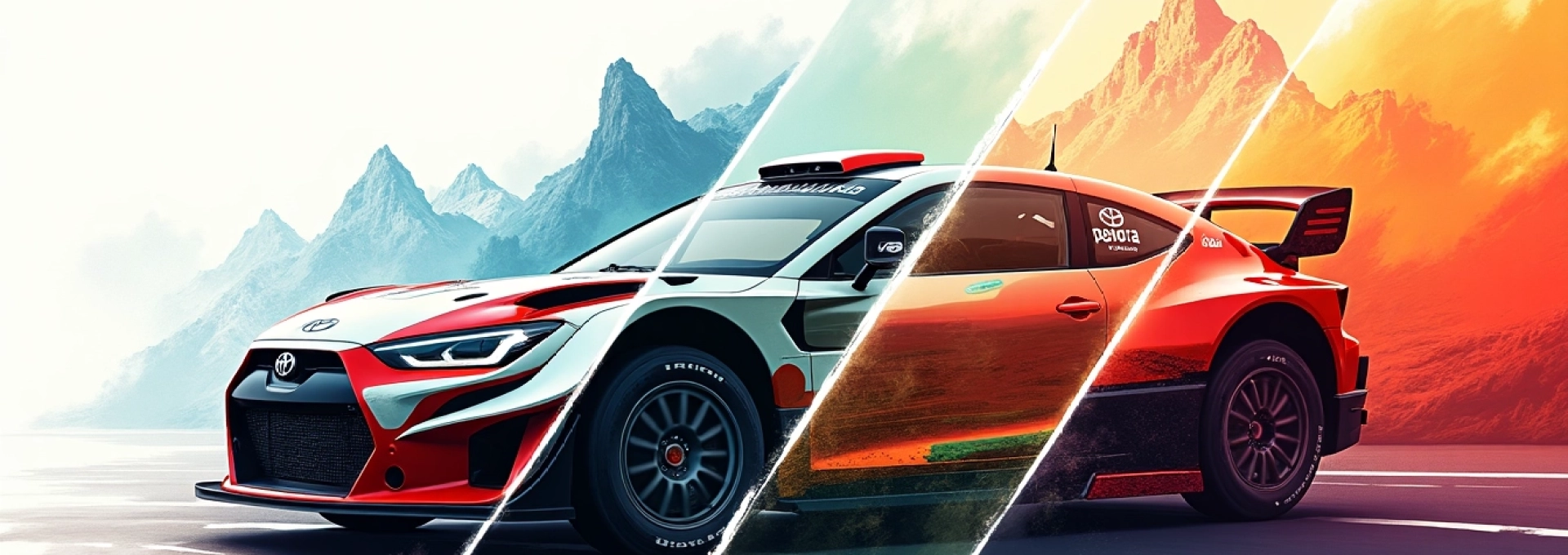
6 top rally performances by hybrid cars
The world of rallying has long been dominated by high-powered, gasoline-fueled machines tearing through challenging terrain. However, in recent years, hybrid vehicles have emerged as formidable competitors, showcasing their unique advantages in some of the most grueling motorsport events. These…
Lire la suite